Limitations of the previous setup
Previously, the kitchen relied on large, heavy transport trolleys that were difficult to maneuver, required frequent maintenance, and lacked available spare parts — creating operational challenges and limiting future development.
At the same time, portioning requirements varied between the care takers. The fixed tray system that was used made it difficult to adapt portion sizes, often leading to unnecessary food waste.
Rethinking the entire process
To address these challenges, the kitchen staff initiated a new way of working.
Instead of delivering pre-portioned trays, meals are now transported in bulk containers and portioned at the point of service. This approach allows portion sizes to be adjusted according to individual needs, reducing food waste while enhancing the overall dining experience.
Choosing ScanBox to support the workflow
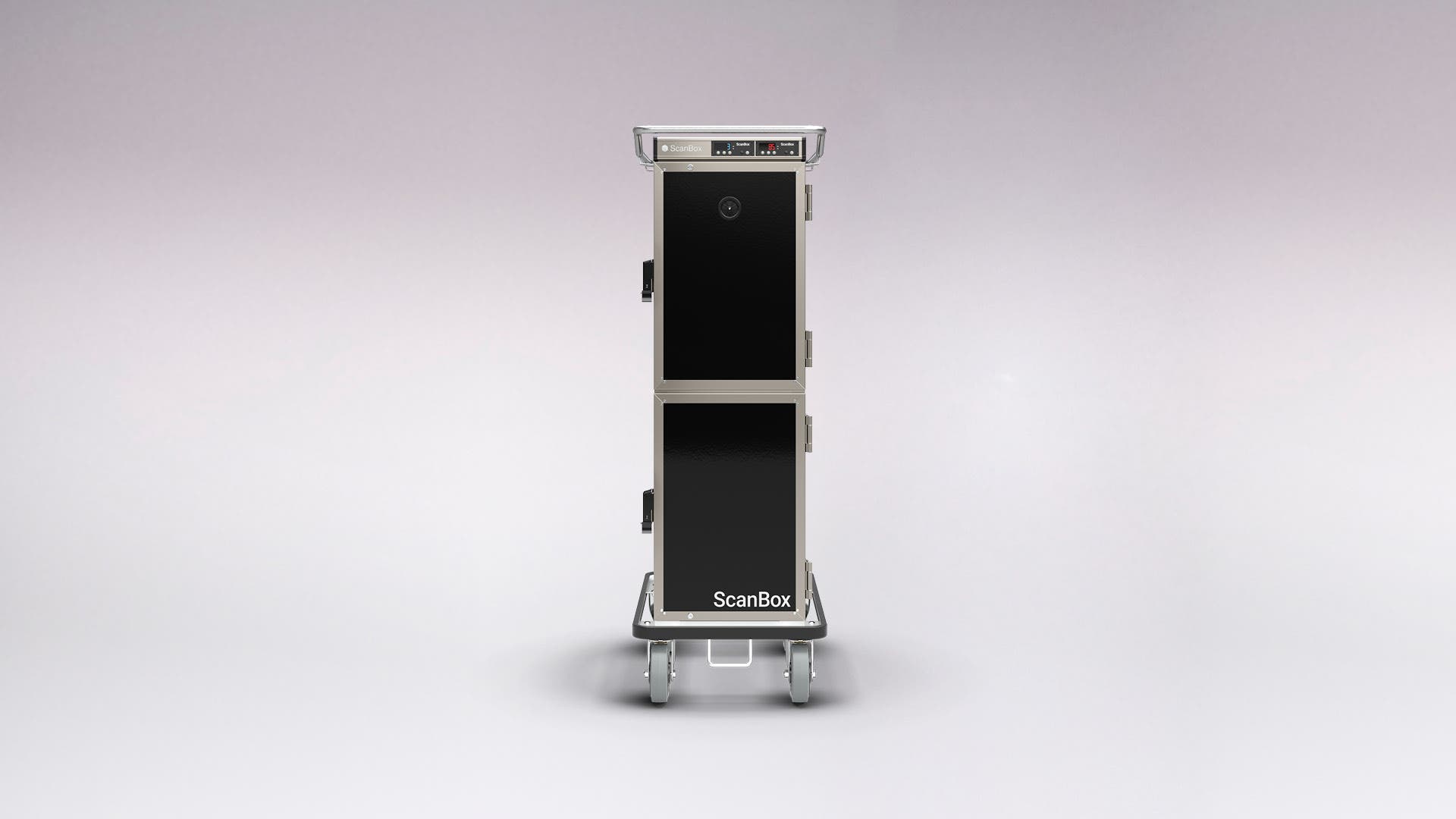
To support this way of working, temperature-controlled transport units from ScanBox were introduced. Making it possible to redesign kitchen logistics, making it more flexible moth in transport and daily handling.
This allowed for a setup where cooking, transport, and serving are more closely connected.
The ScanBox units reach operating temperature within approximately 30–40 minutes and maintain stable temperatures throughout transport—ensuring both food safety and quality. Compared to the previous setup, the ScanBox units are smaller, easier to handle and can be adapted to different volumes, whether serving a small group or a larger number of residents. This makes daily operations more manageable without adding complexity.
More than just meals
At Herzogsägmühle, meals are an integral part of daily care. They help create structure, support independence, and contribute to overall well-being.
By ensuring that food arrives at the right temperature, at the right time, and can be adapted to individual needs, the meal becomes a more consistent and reliable part of everyday life — for both residents and staff.